


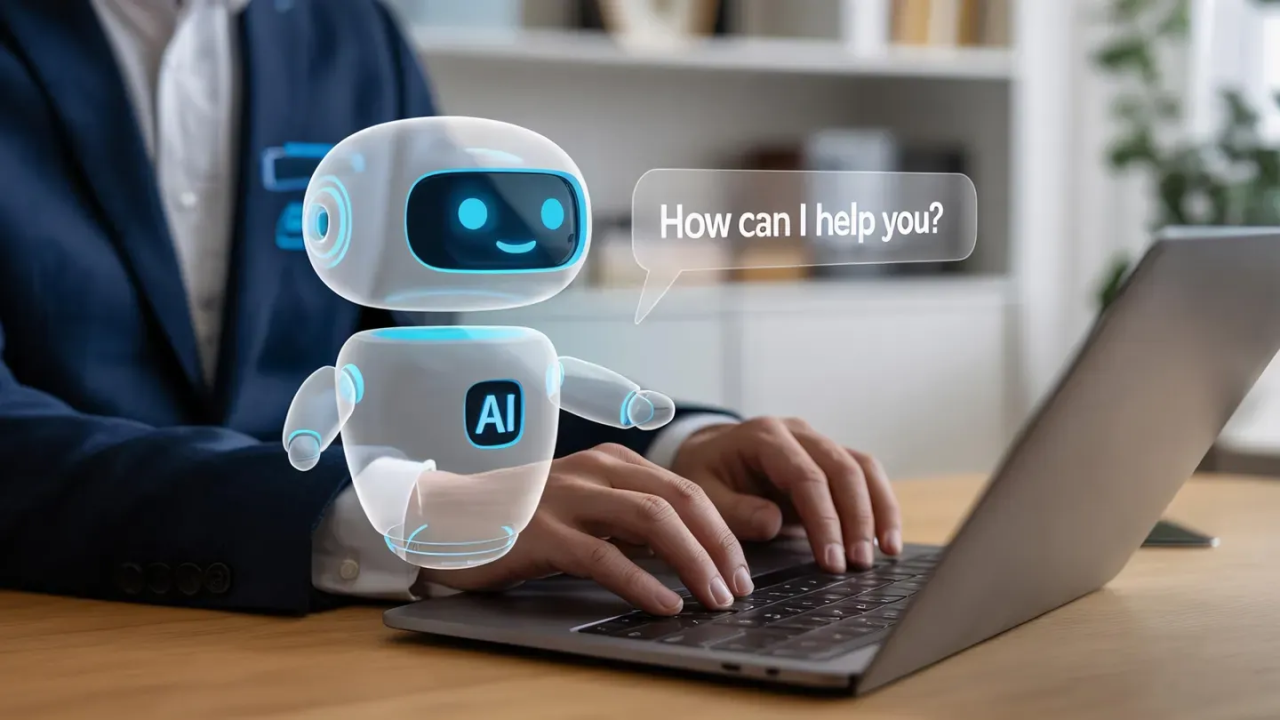
Artificial Intelligence (AI) is no longer a future concept—it is the most powerful technological shift shaping the modern world. From automation and machine learning to smart assistants and predictive systems, AI is transforming how businesses operate and how people interact with technology. This decade is witnessing a rapid acceleration in AI adoption across industries, making it one of the most important innovations in recent history. Understanding this shift is essential because AI is not just improving existing systems; it is redefining them completely.
The Rise of Artificial Intelligence in Modern Technology
AI is reshaping digital transformation strategies
Artificial Intelligence has become the core driver of digital transformation across industries. Companies are no longer relying only on traditional software systems; instead, they are integrating AI-powered tools to improve speed, accuracy, and decision-making. This shift allows organizations to analyze large amounts of data quickly and respond to market changes in real time. As a result, AI is not just an upgrade but a complete redesign of how digital systems function in today’s world.
Machine learning is improving automation systems
Machine learning, a key part of Artificial Intelligence, is enhancing automation in ways that were not possible before. Instead of following fixed instructions, systems can now learn from data and improve their performance over time. This has made processes like customer service, logistics, and data analysis more efficient. Businesses benefit from reduced manual effort and improved accuracy, which leads to faster operations and lower costs.
AI adoption is increasing across all industries
One of the strongest signs of AI’s importance is its widespread adoption. From healthcare and finance to education and retail, Artificial Intelligence is being used to solve complex problems and improve efficiency. This rapid adoption shows that AI is not limited to tech companies; it is becoming a universal technology that supports nearly every sector of the global economy.
How Artificial Intelligence is Changing Business and Economy
AI is improving decision-making in organizations
Artificial Intelligence allows businesses to make better and faster decisions by analyzing large datasets in seconds. Instead of relying only on human judgment, companies can now use data-driven insights to understand customer behavior, market trends, and operational performance. This leads to more accurate forecasting and smarter strategic planning, which gives businesses a competitive advantage in fast-changing markets.
AI is reducing operational costs and increasing efficiency
One of the biggest advantages of Artificial Intelligence is cost reduction. AI-powered systems can automate repetitive tasks, reducing the need for large human workforces in certain areas. This not only saves money but also increases efficiency by eliminating errors and delays. Businesses can focus more on innovation and growth while AI handles routine operations in the background.
AI is creating new business opportunities
Artificial Intelligence is also opening new markets and industries that did not exist before. Companies are now building AI-based products, services, and platforms that solve real-world problems in innovative ways. This includes personalized recommendations, smart assistants, and predictive analytics tools. As AI continues to evolve, it is expected to create even more opportunities for entrepreneurs and startups worldwide.
The Future Impact of Artificial Intelligence on Society
AI is transforming how people interact with technology
Artificial Intelligence is making technology more human-like and intuitive. Voice assistants, chatbots, and smart systems are allowing users to interact with devices in natural ways. This shift is reducing the complexity of technology and making it accessible to a wider audience. As AI continues to improve, digital interactions will become even more seamless and personalized.
AI is influencing education and learning systems
Education is also experiencing a major transformation due to Artificial Intelligence. Personalized learning systems can now adapt to individual student needs, helping them learn at their own pace. AI tools also assist teachers by automating grading and providing insights into student performance. This creates a more efficient and customized learning experience for students and educators alike.
AI is raising important ethical and social questions
While Artificial Intelligence offers many benefits, it also raises important concerns. Issues such as data privacy, job displacement, and algorithm bias are becoming increasingly important. Society must find a balance between innovation and responsibility to ensure AI is used ethically. Governments and organizations are now working on regulations to manage these challenges effectively.
FAQs
1. Why is Artificial Intelligence considered the biggest tech shift?
Because it is transforming industries, automating tasks, and changing how humans interact with technology.
2. How is AI used in everyday life?
AI is used in smartphones, search engines, social media, online shopping, and digital assistants.
3. Will AI replace human jobs?
AI may replace some repetitive jobs, but it will also create new opportunities in technology and innovation.
4. Which industries benefit most from AI?
Healthcare, finance, education, retail, and manufacturing benefit significantly from AI adoption.
5. Is AI important for the future?
Yes, AI is expected to play a central role in future technological development and global innovation.
Conclusion
Artificial Intelligence is the most significant technological shift of this decade because it is changing how businesses operate, how people interact with technology, and how society evolves. Its impact is visible across industries, from automation and decision-making to education and innovation. As AI continues to grow, it will redefine the future of work, communication, and digital life. Understanding and adapting to this change is essential for anyone who wants to stay relevant in the modern world.
