


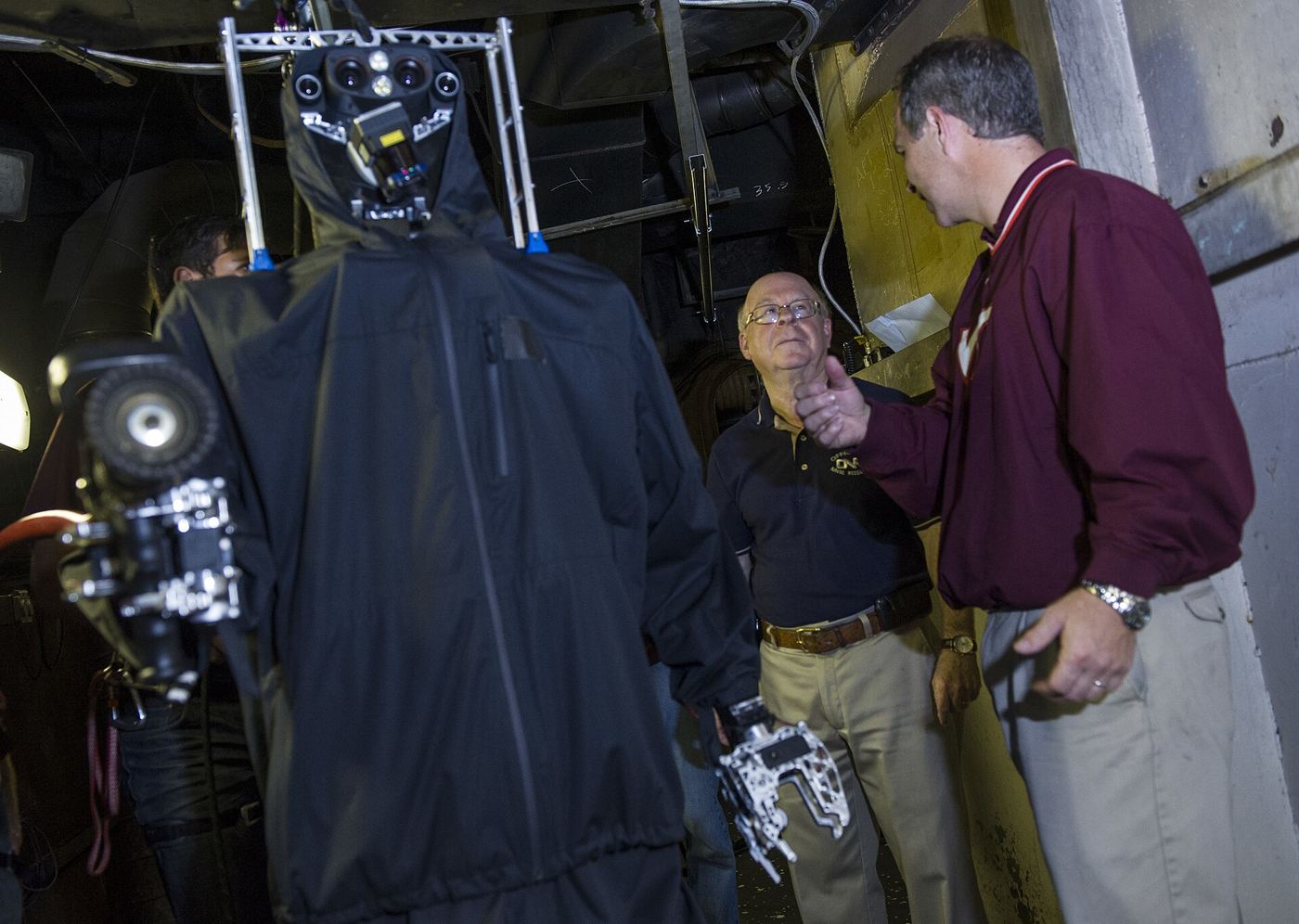
Humanoid robots are spending long hours in laboratories learning to balance, recover from pushes and handle objects without dropping them, in trials designed to expose weaknesses before any real-world deployment. Engineers nudge the machines off balance, slide the floor beneath them and hand them boxes of awkward shapes, recording every joint movement and foot placement. Modern humanoids combine cameras, force sensors and fast control software to adjust posture many times per second, much as people unconsciously shift their weight. Progress is measured in unglamorous details: stepping onto a kerb without hesitation, turning while carrying a tray, or standing safely when a cable snags a foot. The laboratory setting matters because falls are expensive and occasionally dangerous with machines of human size and weight. Safety rigs and padded floors let researchers push the robots to failure, which is exactly where the most useful lessons live. Developers disagree about where humanoids will earn their keep first, with warehouses, factories and care settings all proposed. The trials suggest a consistent answer for now: environments built for people reward machines shaped like people, but only once balance and handling become boringly reliable.
What the Evidence Shows
Behind the humanoid balance trials sits a contest between two engineering philosophies. One camp programmes explicit rules for walking and grasping, giving predictable behaviour that safety assessors can inspect line by line. The other trains control systems in simulation, letting virtual robots fall millions of times before the lessons are transferred to hardware. In practice the strongest teams blend both, using learned reflexes for balance and explicit checks for safety limits. Batteries remain a stubborn constraint, because humanoid proportions leave little room for large packs, and powerful joint motors drain them quickly during dynamic movement. Costs are falling as actuators and sensors borrow scale from the electric vehicle and smartphone industries. Researchers also study how people react around humanoids, since a machine that moves unpredictably will be rejected however clever its engineering. Clear signalling of intent, such as turning the head before stepping sideways, makes shared spaces calmer for everyone. The laboratory videos may look playful, but each recovered stumble represents data that moves these machines closer to useful, trusted work alongside the people they are built to resemble. Reporting and analysis from sources such as MIT Technology Review track the same developments, and specialists following the humanoid balance trials say the direction is now consistent across independent lines of evidence.
The Wider Context
The wider context is an industry learning to ship capability and restraint together. Products built around the humanoid balance trials now launch with safety evaluations, usage data and rollback plans as standard, because enterprise buyers and regulators ask for them in the first meeting. Companies that treated those questions as friction are discovering they have become the purchase criteria.
What Happens Next
What happens next for the humanoid balance trials depends less on another breakthrough than on the unglamorous work of reliability, pricing and support. The buyers evaluating it now are not enthusiasts; they are operators with budgets and auditors, and their checklists will decide the timeline. On the evidence of the current pilots, the technology has earned the right to be judged by them. You can follow related developments in our coverage of technology.
There is a practical lesson in all of this for readers deciding what to do today. Start with the verified facts, be wary of anyone promising certainty, and prefer reversible steps while the evidence is still developing. Circumstances differ by country, income and personal situation, so general guidance should always be weighed against your own context before you act on it in any significant or lasting way.
