


In today’s fast-moving digital era, success is no longer defined by traditional standards alone. Digital innovation is transforming how businesses grow, how individuals build careers, and how industries compete globally. From artificial intelligence to automation and data-driven decision-making, technology is reshaping opportunities at every level. Understanding this shift is essential for anyone who wants to stay relevant and competitive in a rapidly evolving world.
The Rise of Digital Innovation in the Modern Economy
Digital Transformation as a Core Business Strategy
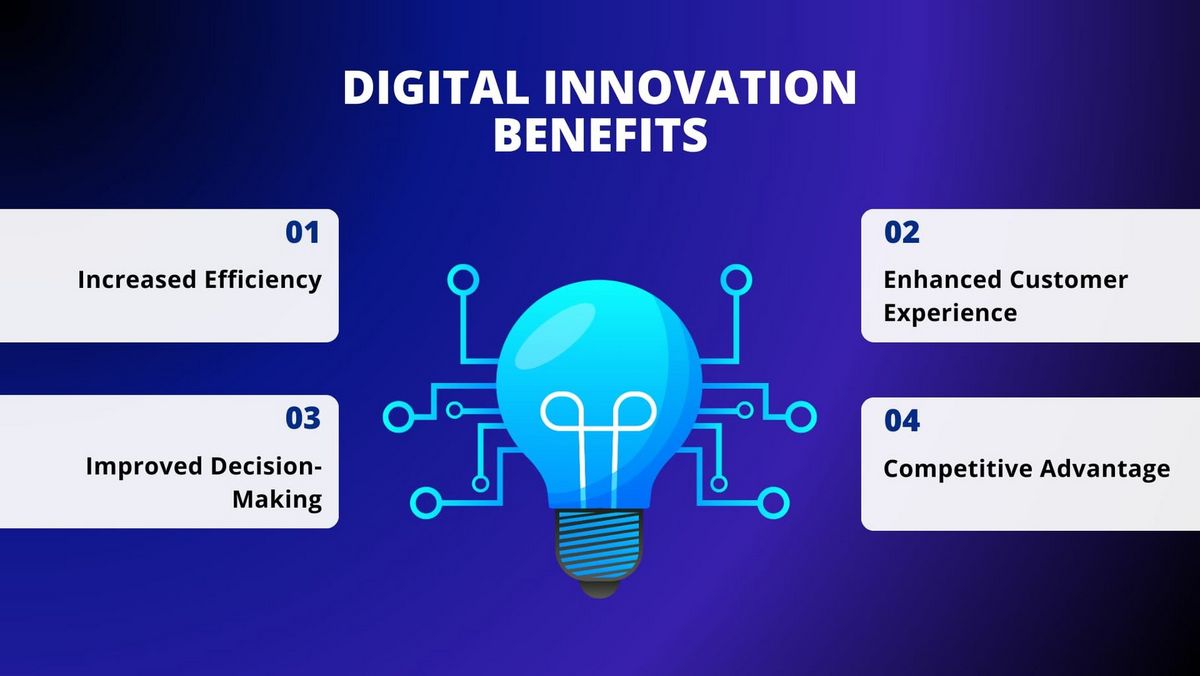
Digital transformation has become a central strategy for modern businesses aiming to stay competitive. Companies are no longer relying only on physical systems; instead, they are integrating digital tools into every operation. This shift improves efficiency, reduces costs, and enhances decision-making. As industries adopt digital-first approaches, success is increasingly measured by how effectively organizations adapt to technological change and use it to create value.
The Expansion of Cloud-Based Technologies
Cloud-based technologies have significantly changed how businesses operate and scale. They allow companies to store data securely, access tools remotely, and collaborate in real time across different locations. This flexibility has made businesses more agile and responsive to market changes. As a result, digital innovation powered by cloud systems has become a key driver of modern success in both small and large organizations.
The Role of Automation in Economic Growth
Automation is reshaping productivity by handling repetitive tasks and improving operational efficiency. Businesses are using automated systems to streamline workflows, reduce human error, and increase output. This shift allows employees to focus more on creative and strategic work. In the broader economy, automation is contributing to faster growth and redefining what it means to be productive in a digital world.
How Digital Innovation Is Changing Career Success
New Skill Requirements in the Digital Era
The definition of career success is evolving as digital skills become more important than traditional qualifications alone. Employers now value abilities such as data analysis, digital communication, and technical adaptability. Continuous learning has become essential, as professionals must update their skills regularly to remain competitive in a changing job market shaped by digital innovation.
Remote Work and Global Opportunities
Remote work has expanded career possibilities beyond geographical boundaries. Professionals can now collaborate with global teams without relocating, opening access to a wider range of job opportunities. This shift has redefined success by focusing on productivity and results rather than physical presence, making work more flexible and inclusive.
The Growth of the Digital Freelance Economy
The freelance economy has grown rapidly due to digital platforms that connect talent with global clients. Individuals can now offer services in writing, design, programming, and marketing from anywhere in the world. This has created new pathways to financial independence and career success, especially for those seeking flexible work environments.
The Impact of Technology on Business and Global Competition
Data-Driven Decision Making in Modern Enterprises
Businesses today rely heavily on data-driven strategies to make informed decisions. Digital tools collect and analyze vast amounts of data, helping organizations understand customer behavior, market trends, and performance metrics. This approach improves accuracy and reduces risk, making data a critical asset in achieving long-term business success.
Artificial Intelligence in Business Strategy
Artificial intelligence is playing a major role in reshaping business strategies. It helps companies predict trends, personalize customer experiences, and optimize operations. AI-powered systems are making businesses more efficient and competitive, allowing them to respond faster to market demands and improve overall performance.
Digital Platforms and Global Market Reach
Digital platforms have eliminated many traditional barriers to global trade. Businesses can now reach international audiences through websites, social media, and e-commerce platforms. This expanded reach has increased competition but also created new opportunities for growth and innovation in global markets.
The Future of Success in a Digitally Driven World
Continuous Learning and Adaptability
In a digital-first world, continuous learning has become a key factor in long-term success. Technology evolves rapidly, and individuals must adapt to new tools and systems to stay relevant. Lifelong learning ensures that professionals and businesses can keep up with innovation and maintain their competitive edge.
Innovation as a Competitive Advantage
Innovation is now one of the strongest drivers of success. Organizations that embrace creativity and technological advancement are better positioned to lead their industries. This includes adopting new technologies, improving processes, and finding smarter ways to solve problems in an evolving digital environment.
The Shift Toward Digital-First Mindsets
A digital-first mindset is becoming essential for success in modern society. This means prioritizing digital tools, platforms, and strategies in both personal and professional growth. Individuals and businesses that adopt this mindset are more likely to thrive in a world where technology influences almost every aspect of life.
FAQs
1. What is digital innovation?
Digital innovation refers to the use of technology to improve processes, services, and business models.
2. Why is digital innovation important for success?
It helps individuals and businesses stay competitive, efficient, and adaptable in a changing world.
3. How does digital innovation affect careers?
It creates new job opportunities and requires updated digital skills for professional growth.
4. What industries benefit most from digital innovation?
Almost all industries benefit, especially business, education, healthcare, and technology sectors.
5. Is digital transformation necessary for businesses today?
Yes, it is essential for staying competitive and meeting modern market demands.
Conclusion
Digital innovation is fundamentally redefining what success means in today’s fast-changing world. It is transforming industries, reshaping careers, and creating new opportunities for growth and global connection. Those who embrace technology, develop digital skills, and adapt to continuous change are more likely to succeed in the modern economy. As innovation continues to evolve, success will increasingly depend on adaptability, creativity, and a strong digital mindset.
