


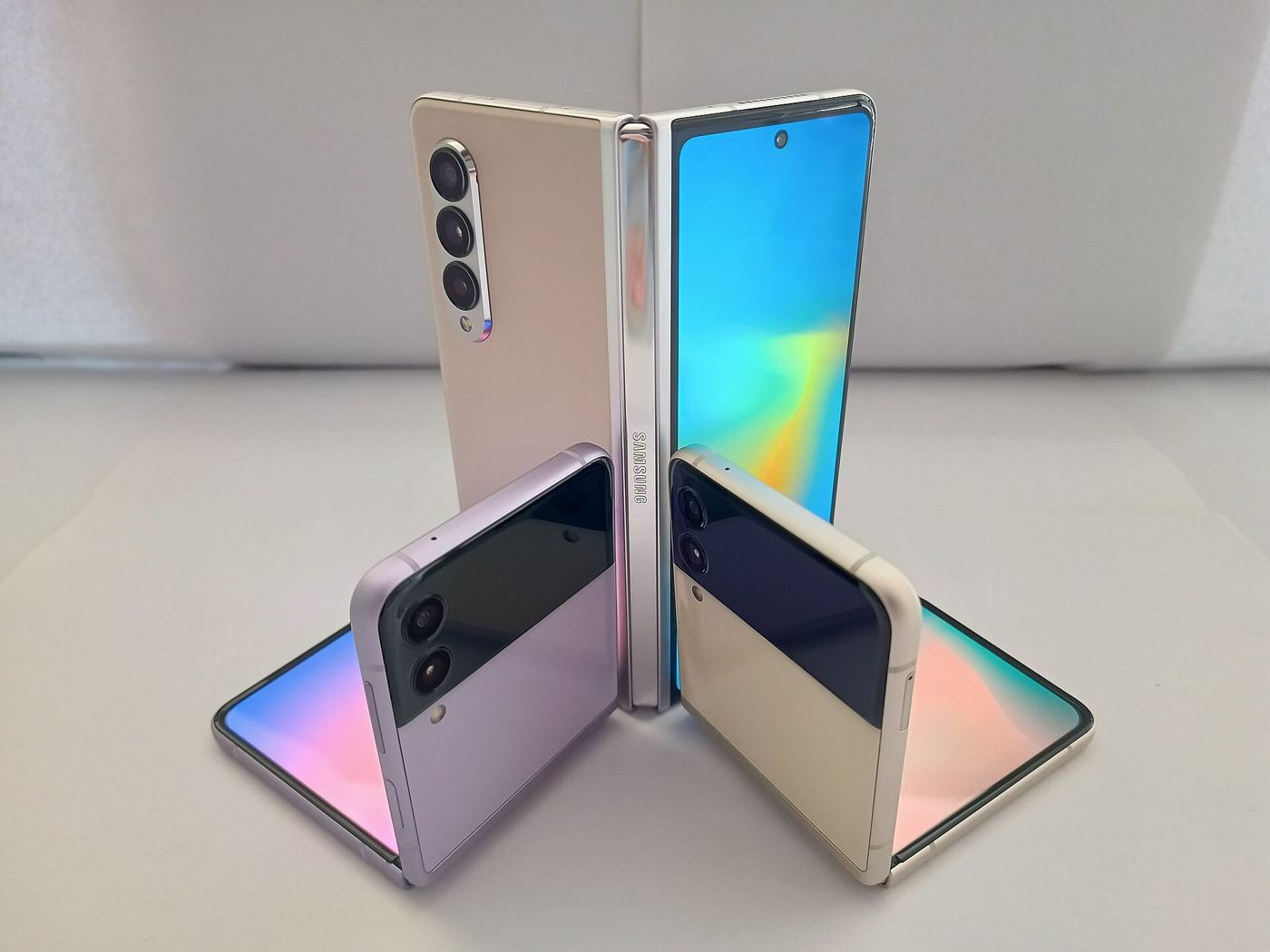
Foldable phones spent their first years as expensive magic tricks: impressive on a stage, questionable in a pocket. The current generation reads differently. Hinges rated for hundreds of thousands of folds, creases you must hunt for, water resistance that early models could not dream of — the hardware has matured, and as our gadget coverage finds, the software has matured faster. Multitasking that once felt like a demo — email beside a document, a call above a spreadsheet — now simply works.
The buyers explain the shift. Foldables are not replacing ordinary phones so much as absorbing two other devices: the small tablet that lived in a bag, and the e-reader on the nightstand. For people who review documents, mark up PDFs, read long reports or trade on the move, a phone that unfolds into a workspace is not a gimmick but a consolidation — one device, one data plan, no syncing. Sales data reflects it: the category grows steadily even in flat phone markets, from a small base but with premium prices that manufacturers notice.
The Remaining Compromises
Honesty requires the list. Foldables remain thicker and heavier than slab phones, their inner screens scratch more easily, battery life under heavy split-screen use is ordinary, and repair costs — though improving — still sting. Crease visibility bothers some users in bright light. Testing organisations that publish durability results, and reporting by outlets like The Verge, suggest the gap to ordinary phones narrows each cycle without yet closing.
Who Should Actually Buy One
The Software Finally Deserves the Hardware
The foldable story’s quiet hero is software catching up. Split-screen that once reset itself now remembers pairings; apps from the major productivity suites reflow properly between folded and open states; and the taskbar-style interfaces borrowed from desktop computing turn the opened phone into a small, serious workstation. Accessories have followed the use case — cases with kickstands that survive real desks, styluses that make the big screen a sketchbook and document marker, keyboards that fold as small as the phone itself.
There is a lesson here about technology adoption curves generally. New form factors are reviewed at launch and judged for a decade; the foldable was declared a gimmick at prices and fragility levels its inventors always expected to be temporary. Five generations on, the category looks less like a bet and more like a segment — the way large phones once did. The remaining barrier is purely economic, and the history of that barrier, in consumer electronics, is a history of it falling. The only question the next product cycles will answer is how fast.
If your phone is a consumption device — messages, photos, feeds — a foldable is an expensive way to do the same things bigger. If it is a work surface you carry, the calculus flips, and the tablet you stop carrying pays for the difference. The party trick has become a tool. The only remaining question is price, and on current form, time is answering that too.
