


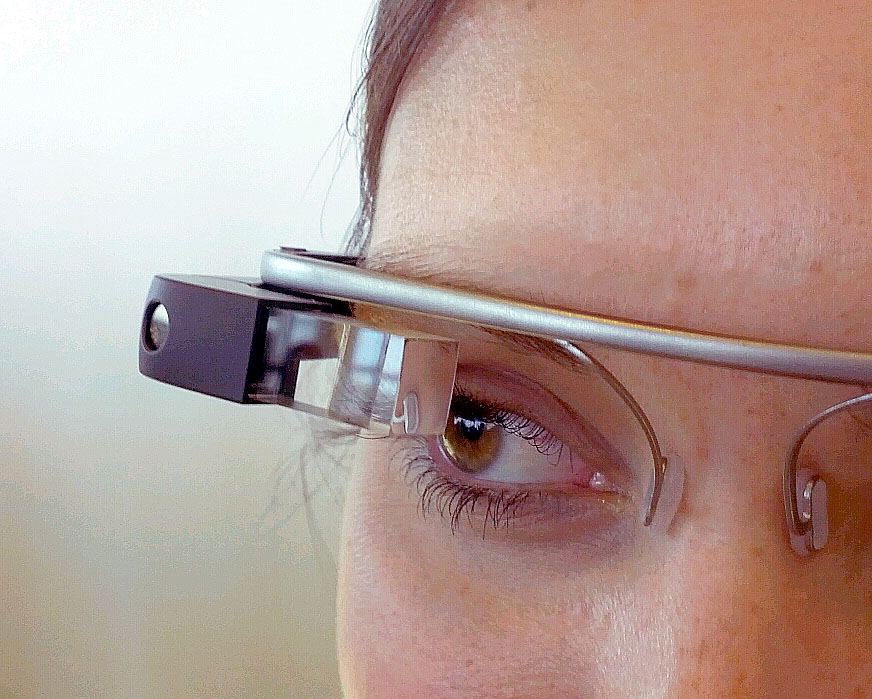
A conversation between a deaf person who signs and a hearing person who does not can stall at the first sentence, even when both sides are eager to talk. Smart glasses now being tested aim to soften that barrier by watching the hands of a signer and displaying a live text translation on the inside of the lens for the wearer, while a paired phone can speak the words aloud or show them on screen for the other person. The system relies on small cameras and on-device software trained to recognise hand shapes, movements and the facial expressions that carry grammatical meaning in sign languages. Developers involved in the trials are quick to say the technology is an aid, not a replacement for qualified interpreters, whose understanding of context and nuance remains far deeper. Early testers, recruited from deaf communities to shape the design from the start, have used the glasses in shops, railway stations and workplaces, reporting that quick everyday exchanges, ordering food, asking directions, confirming an appointment, become noticeably less stressful when a rough translation appears in real time rather than after an awkward pause filled with gestures and typed phone notes.
What the Evidence Shows
Accuracy is the central challenge, because sign languages are complete languages with their own grammar, regional variations and personal signing styles, not simply word-for-word codes for spoken language. The trial software therefore shows its confidence, keeps translations short, and allows quick corrections with a glance or tap when it misreads a sign, rather than pretending certainty it does not have. Lighting, busy backgrounds and fast signing can all reduce performance, so researchers are expanding their training data with recordings contributed, under clear consent agreements, by diverse groups of signers. Privacy has been designed in from the beginning: processing happens on the glasses themselves where possible, recordings are not kept by default, and a visible indicator shows bystanders when the camera is active. Battery life remains a practical limit, with current prototypes managing a working day of intermittent use rather than constant translation. Even so, participants in the trials say the direction of travel is right, and several employers have begun testing the glasses for front-desk and retail roles. Reporting and analysis from sources such as MIT Technology Review track the same developments, and specialists following the sign-translating smart glasses say the direction is now consistent across independent lines of evidence.
The Wider Context
The wider context is an industry learning to ship capability and restraint together. Products built around the sign-translating smart glasses now launch with safety evaluations, usage data and rollback plans as standard, because enterprise buyers and regulators ask for them in the first meeting. Companies that treated those questions as friction are discovering they have become the purchase criteria.
What Happens Next
What happens next for the sign-translating smart glasses depends less on another breakthrough than on the unglamorous work of reliability, pricing and support. The buyers evaluating it now are not enthusiasts; they are operators with budgets and auditors, and their checklists will decide the timeline. On the evidence of the current pilots, the technology has earned the right to be judged by them. You can follow related developments in our coverage of technology.
There is a practical lesson in all of this for readers deciding what to do today. Start with the verified facts, be wary of anyone promising certainty, and prefer reversible steps while the evidence is still developing. Circumstances differ by country, income and personal situation, so general guidance should always be weighed against your own context before you act on it in any significant or lasting way.
