


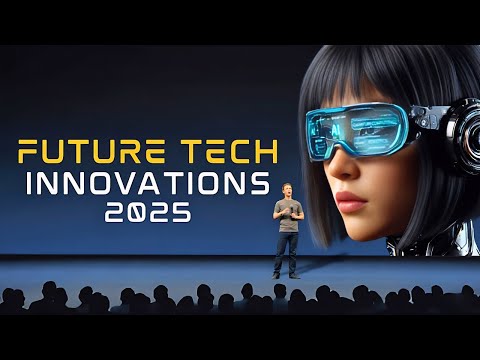
In 2026, the world of technology is evolving faster than ever before, bringing powerful innovations that are changing how we live, work, and connect with each other. From advanced artificial intelligence systems to next-generation smart devices and breakthroughs in digital infrastructure, the tech industry is entering a new era of transformation. Businesses, creators, and everyday users are all being impacted by these rapid developments. Understanding the latest technology updates is no longer optional—it is essential for staying competitive and informed in a digital-first world where innovation defines success.
Artificial Intelligence Revolution in 2026
AI-Powered Automation in Daily Life
Artificial intelligence has become deeply integrated into daily life in 2026, making tasks faster, easier, and more efficient. From smart assistants managing schedules to AI systems handling customer service, automation is reducing human workload across industries. Businesses are increasingly relying on AI-driven tools to improve productivity and decision-making. This shift is also enhancing user experiences, as systems now understand behavior patterns and deliver more personalized responses. The growing use of AI-powered automation is one of the most important technology updates shaping the modern digital landscape.
Generative AI Advancements
Generative AI has taken a major leap forward in 2026, enabling machines to create high-quality text, images, videos, and even software code. These systems are now more accurate, context-aware, and creative than ever before. Content creation industries are especially benefiting, as AI tools help produce professional-grade material in seconds. However, this advancement also brings new challenges around authenticity and responsible use. Despite concerns, generative AI remains a key driver of innovation, transforming how digital content is produced and consumed worldwide.
AI in Business Decision Making
Businesses are now using advanced AI systems to support strategic decision-making processes. These tools analyze large datasets in real time, helping organizations identify trends, risks, and opportunities faster than traditional methods. In 2026, AI-driven analytics platforms are becoming essential for financial planning, marketing strategies, and operational improvements. This level of intelligence allows companies to respond quickly to market changes and maintain a competitive edge. As a result, AI is no longer just a support tool—it has become a core part of modern business strategy.
Next-Generation Connectivity and Digital Infrastructure
Expansion of 6G Networks
The rollout of 6G networks in 2026 is revolutionizing global connectivity by delivering ultra-fast internet speeds and extremely low latency. This new generation of wireless technology is enabling real-time communication for advanced applications such as autonomous vehicles and immersive virtual environments. Compared to previous networks, 6G provides significantly higher capacity, supporting billions of connected devices simultaneously. This breakthrough is reshaping how digital services are delivered, making connectivity more seamless and reliable across the world.
Edge Computing Growth
Edge computing is becoming a critical part of modern digital infrastructure by processing data closer to where it is generated. This reduces delays and improves performance for applications that require real-time responses. In 2026, industries like healthcare, manufacturing, and smart cities are increasingly relying on edge computing systems. By minimizing dependence on centralized cloud servers, businesses can operate more efficiently and securely. This technology is essential for supporting the growing demand for instant data processing in a connected world.
Cloud Technology Evolution
Cloud computing continues to evolve rapidly, offering more flexible, scalable, and secure solutions for businesses of all sizes. In 2026, hybrid and multi-cloud systems are becoming standard, allowing organizations to combine different cloud services for better performance. Enhanced security features and AI integration are also improving data management and protection. Cloud platforms are now central to digital transformation strategies, helping companies reduce costs while improving accessibility and collaboration across global teams.
Emerging Digital Technologies Transforming the Future
Virtual Reality and Immersive Experiences
Virtual reality technology has reached new levels of realism in 2026, offering highly immersive experiences for gaming, education, and professional training. Advanced VR headsets now provide improved visuals, motion tracking, and sensory feedback, making digital environments feel more lifelike. This technology is also being used in remote collaboration, allowing teams to interact in virtual spaces. As VR becomes more affordable and accessible, it is expected to play a major role in shaping future digital interactions.
Cybersecurity Advancements
With increasing digital threats, cybersecurity has become more advanced and intelligent in 2026. Modern security systems now use AI to detect and respond to cyberattacks in real time. This proactive approach helps protect sensitive data and reduce risks for businesses and individuals. Encryption technologies have also improved, ensuring safer online transactions and communications. As cyber threats continue to evolve, cybersecurity remains a top priority in the global technology ecosystem.
Internet of Things Expansion
The Internet of Things (IoT) is expanding rapidly, connecting more devices than ever before. In 2026, smart homes, wearable devices, and industrial sensors are becoming fully integrated into daily life. These connected systems collect and share data to improve efficiency, convenience, and automation. IoT is also playing a major role in smart city development, helping manage traffic, energy usage, and public services. This growing network of connected devices is creating a more intelligent and responsive digital environment.
FAQs
What are the biggest technology trends in 2026?
Artificial intelligence, 6G networks, cloud computing, and IoT expansion are among the biggest technology trends in 2026.
How is AI changing businesses in 2026?
AI is improving decision-making, automating tasks, and helping businesses analyze data more efficiently.
What is 6G technology used for?
6G provides ultra-fast internet connectivity for advanced applications like smart cities, autonomous systems, and real-time communication.
Why is cybersecurity important in 2026?
Cybersecurity is essential to protect data, prevent cyberattacks, and ensure safe digital transactions.
How does IoT impact daily life?
IoT connects smart devices to improve automation, convenience, and efficiency in homes, workplaces, and cities.
Conclusion
The latest technology updates in 2026 highlight a world driven by rapid innovation, intelligent systems, and deeper digital connectivity. From AI-powered transformations to next-generation networks and immersive technologies, these advancements are reshaping industries and everyday life. Staying informed about these changes is essential for adapting to the future and making better personal and professional decisions. As technology continues to evolve, those who embrace innovation early will always stay ahead in the digital era.
